Institute News

- Woman inner peace and family general health seminar announcement
- The 2nd Conference of Medical Biophysics and its Applications
- Handwashing awareness
- 6th october artistic and cultural competition announcement
- leukemia Awareness Month Sceitific day
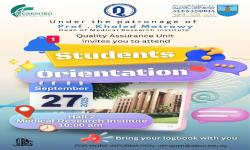
- Students Orientation Autumn 2025/26
- 6th October celebration
Students News

- MRI Postgraduate application extension till 21 Aug...
- GraphPad Prism as a statistical tool for biomedica...
- Tools of References Management " EndNote "
- MRI Postgraduate application procedures
- Exam Schedule Spring 2025
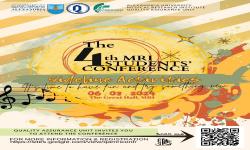
- The Fourth Student Conference of the Medical Resea...
- Announcement for new students, registration spring...
Conferences
Head of Department : Ass. Prof. Dr. Mohamed EL Lakany
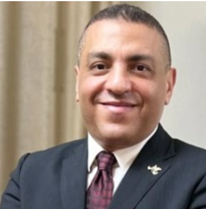
Emeritus Professor
Assistant Professor
| Name | CV | |
| Ass. Prof. Dr. Mohamed EL Lakany | This email address is being protected from spambots. You need JavaScript enabled to view it. | |
| Ass. Prof. Dr. Adel Ibrahim Hozien | This email address is being protected from spambots. You need JavaScript enabled to view it. | |
| Ass. Prof. Dr. Weasam Zakria | This email address is being protected from spambots. You need JavaScript enabled to view it. |
Lecturer
| Name | CV | |
| Dr. Ehab Moharam | This email address is being protected from spambots. You need JavaScript enabled to view it. | |
| Dr. Engy Yosry | This email address is being protected from spambots. You need JavaScript enabled to view it. | |
| Dr. Rana Hossam El-Din | This email address is being protected from spambots. You need JavaScript enabled to view it. | |
| Dr. Ahmed Mohamed Rabah | This email address is being protected from spambots. You need JavaScript enabled to view it. | |
| Dr. Adel Said Anany | This email address is being protected from spambots. You need JavaScript enabled to view it. | |
| Dr. Alaa El Sayed Ahmed | This email address is being protected from spambots. You need JavaScript enabled to view it. | |
| Dr. Lina Gamal Mahmoud Rizk Ali | This email address is being protected from spambots. You need JavaScript enabled to view it. |
Assistant Lecturer
| Name | CV | |
| Ahmed Farouk Mohamed Mohamed Al Susi | This email address is being protected from spambots. You need JavaScript enabled to view it. |
Head of Department : Ass. Prof. Dr. Ghada Mohamed Mahmoud
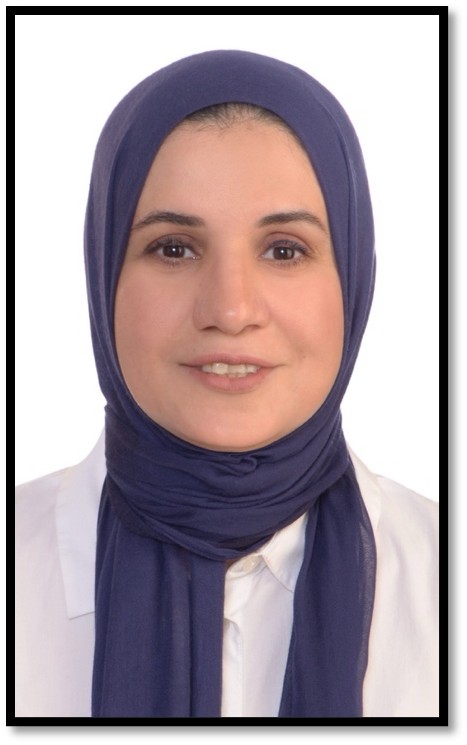
Emeritus Professor
| Name | CV | |
| Prof. Dr. Suzan Roushdy Ismail | This email address is being protected from spambots. You need JavaScript enabled to view it. | |
| Prof. Dr. Nabila Salah El Din Kassem | This email address is being protected from spambots. You need JavaScript enabled to view it. | |
| Prof. Dr. Mervat Hashishe | This email address is being protected from spambots. You need JavaScript enabled to view it. | |
| Prof. Dr. Samia Morsi Kotb | This email address is being protected from spambots. You need JavaScript enabled to view it. |  |
| Prof. Dr. Soha Kholeif | This email address is being protected from spambots. You need JavaScript enabled to view it. | |
| Prof. Dr. Mohamed Mohamed Mokhtar | This email address is being protected from spambots. You need JavaScript enabled to view it. | |
| Prof. Dr. Amal Moustafa Abd El Aziz | This email address is being protected from spambots. You need JavaScript enabled to view it. | |
| Prof. Dr.Sahar Soliman El Shafei | This email address is being protected from spambots. You need JavaScript enabled to view it. | |
| Prof. Dr. Amal Kotb Beheiry | This email address is being protected from spambots. You need JavaScript enabled to view it. | |
| Prof. Dr. Nahla Abd El Rahman Nazmy | This email address is being protected from spambots. You need JavaScript enabled to view it. | |
| Prof. Dr. Hanan Salah Mahrous | This email address is being protected from spambots. You need JavaScript enabled to view it. | |
| Prof. Dr. Nargues Ali Hassan | This email address is being protected from spambots. You need JavaScript enabled to view it. | |
| Prof. Dr. Ibtessam Mohamed Abdalla | This email address is being protected from spambots. You need JavaScript enabled to view it. | |
Emeritus Assistant Professor
| Name | CV | |
| Ass. Prof. Dr. Mervat Farag El Belbeissy | This email address is being protected from spambots. You need JavaScript enabled to view it. | |
| Ass. Prof. Dr. Amina Rabei El Geizeiry | This email address is being protected from spambots. You need JavaScript enabled to view it. | |
Assistant Professor
| Name | CV | |
| Ass. Prof. Dr. Lobna Mohamed Ibrahim | This email address is being protected from spambots. You need JavaScript enabled to view it. | |
| Ass. Prof. Dr. Lama Mohamed Ali El-Attar | This email address is being protected from spambots. You need JavaScript enabled to view it. | |
| Ass. Prof. Dr. Noha Mahmoud Hamed | This email address is being protected from spambots. You need JavaScript enabled to view it. | |
| Ass. Prof. Dr. Ghada Mohamed Mahmoud | This email address is being protected from spambots. You need JavaScript enabled to view it. | |
| Ass. Prof. Dr. Amira Nabil Mohamed Amer | This email address is being protected from spambots. You need JavaScript enabled to view it. |
Lecturer
| Name | CV | |
| Dr. Heba Morsi Abd El-kader | This email address is being protected from spambots. You need JavaScript enabled to view it. | |
| Dr. Asmaa Qenawy Amin | This email address is being protected from spambots. You need JavaScript enabled to view it. | |
| Dr. Mahmoud Raafat Abd El-Halim | This email address is being protected from spambots. You need JavaScript enabled to view it. | |
| Dr. Rania Fathy El Sayed | This email address is being protected from spambots. You need JavaScript enabled to view it. | |
| Dr. Sylvia Safwat Fahmy | This email address is being protected from spambots. You need JavaScript enabled to view it. | |
Consultant
| Name | CV | |
| Dr. Rasha Nabil El Kharadly | This email address is being protected from spambots. You need JavaScript enabled to view it. | |
Assistant Lecturer
| Name | CV | |
| Esraa Alaa Eldin Abdel Moneim | This email address is being protected from spambots. You need JavaScript enabled to view it. | |
| Heba Mohamed Osama Ali | This email address is being protected from spambots. You need JavaScript enabled to view it. | |
| Nihal Ahmed Mohamed Helmy | This email address is being protected from spambots. You need JavaScript enabled to view it. | |
| Ibrahim Mahmoud Abdel Razek | This email address is being protected from spambots. You need JavaScript enabled to view it. | |
| Gehad Abdel-Fattah Mohamed | This email address is being protected from spambots. You need JavaScript enabled to view it. | |
Demonstrator
| Name | CV | |
| Aml Mohamed Ahmed Hassan | This email address is being protected from spambots. You need JavaScript enabled to view it. | |
| khoushoue ahmed alladin | This email address is being protected from spambots. You need JavaScript enabled to view it. | |
| Rania Essam Ali | This email address is being protected from spambots. You need JavaScript enabled to view it. | |
| Sara Gamal Elhadry | This email address is being protected from spambots. You need JavaScript enabled to view it. | |
|
|
|
|
Description The Egyptian Association of Healthcare Quality and Patient Safety is an official association under the supervision of Medical Research Institute – University of Alexandria. The society gathers a group of specialists in the field of healthcare quality. |
وصف الجمعية الجمعية المصرية لجودة الرعاية الصحية وسلامة المرضى هي جمعية رسمية تابعة لمعهد البحوث الطبية جامعة الاسكندرية. الجمعية تضم نخبة من المتخصصين في مجال جودة الرعاية الصحية |
|
Mission The mission of this society is to spread the culture of healthcare and contribute in the improvement of health services in a patient safety focused manner by offering trainings and consults for healthcare providers according to the international standards. |
الرسالة تهدف الى نشر ثقافة جودة الرعاية الصحية والارتقاء بالمستوى العلمي والمهنى وتدريب الكوادر التي تعمل في مجال جودة الخدمات الصحية والتطوير المستمر لنظم الجودة بالخدمات الصحية المختلفة بما يخدم سلامة المرضى وذلك طبقا للمعايير العالمية في هذا المجال. |
|
Objectives 1-Improve the quality culture for healthcare providers by:
2-To ensure a network of qualified practitioners and providers to exchange the experience in the healthcare and safety fields. 3-Collaborate with the ministry of health and the health insurance organizations to spread the quality culture. |
الأهداف 1- دورات تدريبية مستمرة لكافة خدمات الرعاية الصحية
2- خلق شبكة علمية بين القيادات المسئولة عن جودة الرعاية الصحية و مقدمى الخدمة لتبادل الخبرات 3- التعاون مع وزارة الصحة والتامين الصحى لنشر ثقافة جودة الرعاية الصحية و سلامة المرضى |